WRITING
THE PRODIGAL SON
A Memoir
At eighteen, Kevin Harris left Chicago and began a journey that would carry him across Europe, North Africa, the Middle East, and Asia during the 1970s.
The Prodigal Son is a coming-of-age memoir about a young man who turns away from the path expected of him and discovers another education on the road.
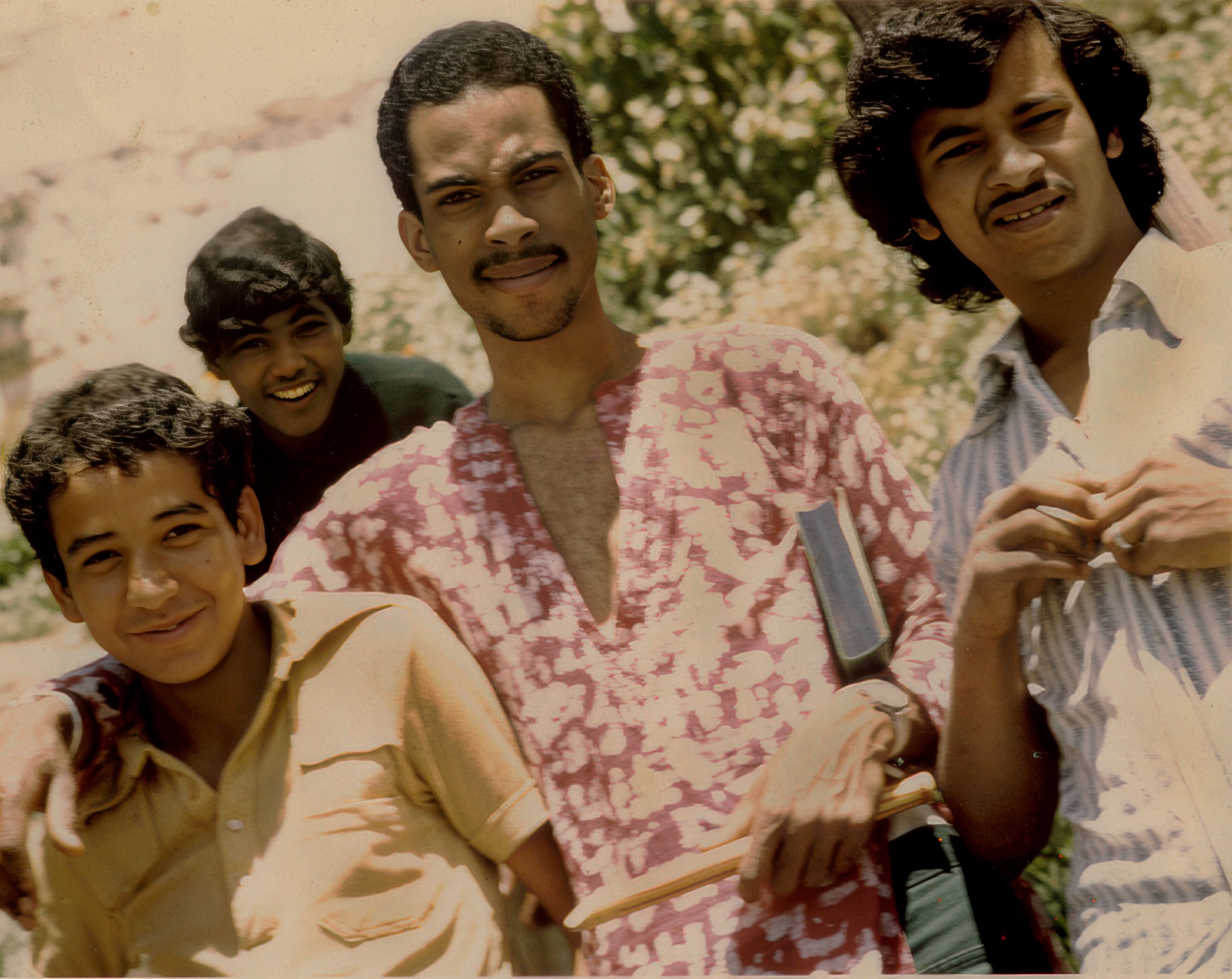
EXCERPT FROM THE PRODIGAL SON
Istanbul was interesting, especially the contrast between the continents within the same city. However, it was not a place I wanted to stay. My goal was to leave as soon as possible and head east to Afghanistan.
The trip from Istanbul to Kabul, Afghanistan, was akin to a sacred pilgrimage for every self-respecting hippie in the 1970s. Those with extra determination and fortitude would venture on to Nepal for the ultimate adventure. I also wanted to reach Nepal, but I wasn’t being realistic about how much money I had and how far I could go. Afghanistan was my limit.
This journey couldn’t be taken by train; it had to be traveled overland. Yes, of course, you could fly there, but it wouldn’t be the same experience. There was a magic bus that many hippies rode. I believe it started in Amsterdam and went all the way to India. It was like a school bus, but I didn’t take that route.
I booked a bus from Istanbul to Tehran that made several stops along the way. It was not a luxurious journey. It wasn’t air-conditioned. It was a raggedy, bumpety-bump bus that hit every pothole and rock, bouncing you around like you were riding on a stagecoach or a Brahma bull. The seats were hard. Even though they were covered with vinyl and had a little padding, your butt soon grew calloused like a steelworker’s hands.
It was a journey made for the young—or at least that was how it seemed to me then. You had to endure harsh conditions, surrender much of what was familiar, and, most of all, be willing to face the unknown.
This trip, this journey, was for travelers, not for tourists.
What is the difference?
Paul Bowles, in The Sheltering Sky, distinguishes the tourist from the traveler partly by time and partly by attitude: the tourist eventually thinks of returning home, while the traveler continues moving from one place to another.
I like to put the distinction this way:
The tourist, as soon as he arrives, is thinking about going home, while the traveler has no home to go to.
This is exactly why I arranged for my friend to take over my loft. I told him that if I didn’t return within a reasonable time, the loft was his, knowing full well that not coming back soon was a real possibility.
And it always is if you are, in fact, a traveler.